
PRODUCTS
Premium Nutrition Products for Better Health
Explore Our Supplement Glossary
- AAKG (Arginine Alpha-Ketoglutarate): Compound that helps increase nitric oxide production, thereby resulting in vasodilation during resistance exercise and enhancing endurance.
- Acetic Acid: Byproduct of fermentation that gives vinegar its characteristic odor, which reduces body fat by increasing hepatic fatty acid oxidation and energy expenditure.
- Adaptogens: Ancient plants and herbs that enhance human resilience to stress by regulating the release of cortisol. Enhance the nervous, immune and endocrine system and help promote cognitive performance and stamina during physical activity. Different to nootropics, adaptogens benefits are widespread instead of focussing on a particular concern.
- African Mango: Derived from the seeds of Irvingia gabonensis) is a natural extract traditionally used in West African medicine. It is known for its potential to support weight management by reducing appetite, promoting satiety, and improving fat metabolism. African Mango may also aid in regulating blood sugar and lipid levels, helping to enhance overall metabolic efficiency—an important factor for individuals pursuing fat loss and improved body composition through fitness training.
- Aloe Vera Dry Extract: Anti-inflammatory plant extract that helps recovery after exercise and to reduce muscle soreness. Helps improveblood sugar control, which helps increase weight loss and promotes weight loss, helping boost metabolism, increasing the number of calories burned throughout the day.
- Alpha-lipoic Acid (ALA): Antioxidant that breaks down carbohydrates and makes energy. Treats obesity, altitude sickness, aging skin, high levels of cholesterol or other fats in the blood. Can promote increased fat burning, prevent fat gain and reduce hunger.
- Amino Acids: Organic compounds that serve as the building blocks of proteins. Essential for protein synthesis, muscle repair, and growth, crucial for maintaining muscle mass during exercise and promoting recovery. Types of amino acid groups include:
- Amino Acids – BCAA (Branched-Chain Amino Acids): Three essential amino acids (leucine, isoleucine, and valine) that play a crucial role in muscle protein synthesis, aiding in the repair and growth of muscle tissue. BCAAs help reduce muscle protein breakdown during exercise, especially during periods of prolonged or intense activity, which helps reduce muscle soreness and fatigue pre and post-exercise, promoting faster recovery.
- Amino Acids – Conditionally Essential Amino Acids: Eight amino acids produced by the body (arginine, cysteine, glutamine, tyrosine, glycine, ornithine, proline, and serine) that may be necessary to meet increased demands. These amino acids become essential under certain conditions, such as illness or stress, or specific physiological states, when the body’s demand for these amino acids may exceed its ability to produce them, making them conditionally essential.
- Amino Acids – EAA (Essential Amino Acids): Amino acids that must be obtained through dietary sources. EAAs include all nine essential amino acids required by the body (Histidine, Valine, Leucine, Isoleucine, Lysine, Methionine, Phenylalanine, Threonine, and Tryptophan.), which are necessary building blocks for protein synthesis and muscle repair and growth. EAAs help reduce muscle breakdown, leading to faster recovery and adaptation to training.
- Amino Acids – HCAA (Hydroxy Amino Acids): Three amino acids with hydroxyl groups (serine, threonine, and tyrosine) that support protein synthesis, muscle repair, and recovery, reducing muscle soreness and fatigue, promoting faster recovery between workouts. Also play a role in maintaining optimal hydration and electrolyte balance, which is essential for muscle function and recovery.
- Amino Acids – Leucine-Enriched LEAA (Leucine-Enriched Amino Acids): LEAAs are amino acid supplements formulated to contain higher levels of leucine compared to other essential amino acids. Leucine is a key regulator of muscle protein synthesis and plays a central role in muscle repair and growth. By providing a higher concentration of leucine, LEAAs aim to maximize the anabolic response in muscles, promoting greater muscle protein synthesis and faster recovery. They may be particularly beneficial for athletes looking to optimize muscle recovery and adaptation to training, especially during periods of increased training volume or intensity.
- Amino Acids – MAP (Master Amino Acid Pattern): Blend of optional ratio of the 8 essential amino acids (isoleucine, leucine, lysine, methionine, phenylalanine, threonine, tryptophan and valine) formulated in optimal proportions for protein synthesis that are rapidly absorbed and utilized by the body, supporting muscle repair and growth. MAP are designed to promote nitrogen balance, muscle protein turnover, and recovery, crucial for maximizing muscle recovery and adaptation to training. They also help reduce muscle fatigue, soreness, and recovery time between workouts.
- Amylases: Digestive enzymes that break down carbohydrates (starches and sugars) into simpler sugars such as glucose and maltose.
- Anhydrous Caffeine: Dehydrated form of caffeine that helps enhance physical performance, increase energy levels, and improve focus and alertness during workouts.
- Antioxidants: Natural molecules found in vitamins A, C and E, and the minerals copper, zinc and selenium that help prevent cell damage from oxidative stress caused by free radicals generated during exercise, by neutralizing them, thus reducing muscle damage and inflammation.
- Apple Cider Vinegar: Anti-inflammatory and antibacterial prebiotic, which helps the stomach create more pepsin, the digestive enzyme that breaks down protein in the digestive tract. Pepsin contains natural enzymes and acids that reduce appetite, regulate digestion, and increase feelings of fullness. It also helps reduce LDL cholesterol (bad cholesterol) and supports positive cardiovascular health. Additionally, as a pre-workout, it helps it helps increase your daily intake of potassium, which replenishes electrolytes, helping to alleviate the build-up of post-exercise lactic acid in the body which leads to soreness, fatigue, and stiffness. Plus, it helps to increase your energy levels via its malic acid content, which breaks down fat calories.
- Apple Fiber: Dietary fiber, which supports digestive health and may contribute to satiety and weight management.
- Arginine: Conditionally Essential Amino Acid and precursor to nitric oxide production that dilates blood vessels, improving blood flow, nutrient delivery, and muscle, enhancing and performance and endurance. Becomes conditionally essential during periods of growth, injury, or illness.
- Artichoke extract: Adaptogen, nootropic chemical from the artichoke plant that is low in fat and high in fiber, vitamins, minerals, and antioxidants (protein, folate, copper, magnesium, vitamin C, niacin, riboflavin, potassium, phosphorus, vitamin B6). Canyon is the active chemical in artichoke extract that helps improve indigestion, nausea and vomiting, heart burn, irritable bowel syndrome. It also has anti cancer properties, and helps protect or heal the liver and reduce cholesterol.
- Aspartate: Non-essential amino acid that helps increase libido and supports testosterone production, potentially enhancing muscle strength, power, and recovery.
- Aspartic acid (Aspartame or Aminosuccinic Acid): Non-essential amino acid responsible for regulating hormones and synthesizing proteins, including 4 essential amino acids: methionine, threonine, isoleucine, and lysine. Aspartic acid comes in two forms: L-aspartic acid and D-aspartic acid. L-aspartic acid is responsible for encouraging the production of antibodies that support the function of the body’s immune system. D-aspartic acid is involved in the regulation, release, and synthesis of testosterone, which helps build muscle mass and strength.
- Ashwagandha (Indian Ginseng or Winter Cherry): Herbal adaptogen and potent antioxidant with natural anti-inflammatory properties that helps reduce stress hormones like cortisol to relieve stress and anxiety. May improve body composition, testosterone levels, fertility and sexual function in women. Enhances endurance, strength, and muscle recovery. Supports sleep-wake cycle. Sharpens focus and memory. Lowers blood sugar and fat and supports heart health.
- Astaxanthin: A powerful antioxidant carotenoid naturally derived from microalgae (Haematococcus pluvialis). Known for its deep red pigment, it offers potent anti-inflammatory and antioxidant effects that benefit athletes by improving endurance, reducing exercise-induced muscle damage, and accelerating recovery. Its ability to combat oxidative stress also supports joint health and protects cells during intense physical exertion, making it a valuable supplement for both performance and long-term fitness.
- AstraGin: A patented, clinically-studied blend derived from Astragalus membranaceus and Panax notoginseng—two traditional medicinal herbs. It supports the integrity of the gut lining and enhances nutrient absorption, especially of amino acids, creatine, and vitamins. For athletes and fitness enthusiasts, this means better bioavailability of supplements, improved recovery, and more efficient muscle growth. By optimizing digestive health, AstraGin also helps reduce gastrointestinal stress often associated with intense training and high-protein diets.
- Astragalus membranaceus: Adaptogen plant that supports the body’s natural ability to cope with physical and mental stressors. Also helps support digestive and immune health and convert food into energy.
- Bacillus coagulans: Probiotic strain of live bacterial cultures that produce lactic acid and support digestive health and immune function. (Ref: OstroVit Pharma PRO-60 BIOTIC LactoSpore)
- Bacopa Monnieri: Traditional Ayurvedic herb derived from the Brahmi plant, is known for its adaptogenic and nootropic properties. It helps reduce inflammation and stress, lowers anxiety, and supports mental clarity and focus—especially valuable during intense training. By enhancing memory and cognitive performance, Bacopa can improve mind-muscle connection and concentration during workouts. Some studies also suggest it may support mood stability and long-term brain health.
- Banana Leaf Extract: Fruit leaf with antioxidant properties that may help with weight management by preventing fat cell precursors from transforming into mature fat cells. Also helps reduce blood sugar and the body to use insulin more efficiently.
- Bearberry: Plant that contains antioxidants and has diuretic properties, potentially aiding in water weight loss and detoxification.
- Beta-Alanine: Non-essential amino acid with antioxidant, immune-enhancing and anti-aging properties. Increases muscle carnosine levels, buffering acidity in muscles, delaying fatigue, and improving high-intensity endurance.
- Betaine (Trimethylglycine): Organic osmolyte involved in liver function, cellular reproduction, and helping make carnitine. It also enhances muscle strength and power output, supports hydration, and may promote muscle growth and reduce fatigue. By increasing creatine levels in muscle cells, betaine may enhance muscle contractions, improving performance in activities requiring power and explosiveness. Moreover, it may buffer lactic acid accumulation in muscles.
- Berberine: Beet extract with potent antioxidant and anti-inflammatory effects. Activates AMPK enzyme, which regulates metabolism. Helps regulate blood sugar levels, which can impact energy levels and performance. Studies suggest it reduces cholesterol and triglyceride levels while raising HDL (good) cholesterol levels. It may have benefits against depression, cancer, infections, fatty liver, and heart failure.
- Beetroot: Nutrient-rich root vegetable valued for its natural nitrates, fiber, and antioxidants, which supports diet and fitness goals by enhancing blood flow and oxygen delivery, which can improve endurance, stamina, and exercise performance. Its nitrates are converted to nitric oxide, which helps dilate blood vessels, allowing for better blood flow and oxygen delivery to muscles, leading to improved endurance and potentially faster performance. The secret lies in its high nitrate (NO3) content, which, shortly after ingestion, causes an increase in our blood nitrite (NO2) levels, leading to the formation of nitric oxide (NO). It also serves as a natural sweetener, offering a healthier alternative to refined sugars, while its low calorie and high fiber content promote satiety, aid digestion, and support weight management. Additionally, beetroot may help reduce muscle soreness and regulate blood pressure, making it a versatile food for overall wellness.
- Bifidobacterium: Probiotics often found in dairy products that break down lactose (milk sugar) and produce acetic acid and lactic acid, which contribute to a healthy gut environment.
- Bison Beard: Complex of plant extracts, amino acids, vitamins and minerals that helps men grow a well-groomed stubble, mustache or full beard.
- Biotin (Biotin B7): Component of enzymes that metabolize fats and break down proteins into amino acids. It is vital for strengthening hair and nails. It helps in the production of keratin, the main protein that makes up both hair and nails. A biotin deficiency can cause hair loss and skin problems.
- Black Currant Fiber: Source of both soluble and insoluble fibre, which aid in weight management, helping slow down the release of nutrients into the bloodstream (particularly glucose), and satiates and speeds up the movement of food through the large intestine.
- Black Pepper: Derived from the dried fruit of the Piper nigrum plant, contains piperine, a bioactive compound known for its powerful health and fitness benefits. Piperine enhances nutrient absorption—especially of supplements like curcumin and amino acids—boosting their effectiveness. Rich in potassium and B vitamins, it helps regulate heart rate and support energy metabolism. It also aids in weight management by stimulating thermogenesis and promoting fat breakdown. Additionally, black pepper supports digestion, detoxifies the gut, and contributes to healthy skin by promoting circulation and reducing oxidative stress.
- Brewer’s Yeast: A natural supplement derived from Saccharomyces cerevisiae, a fungus used in beer and bread production. It’s rich in B vitamins, protein, and essential minerals like chromium and selenium. For fitness, it supports muscle recovery by supplying readily available amino acids, boosts energy production through its B-vitamin content, and helps maintain stable blood sugar levels—key for sustained athletic performance. Its nutrient density also aids immune function, which can be compromised during intense training.
- Bromelain: A natural proteolytic enzyme extracted from the stem and juice of pineapples (Ananas comosus). It aids digestion by breaking down protein, which enhances nutrient absorption—especially important for athletes with high-protein diets. Its potent anti-inflammatory properties help reduce muscle soreness, joint pain, and swelling after intense workouts. By accelerating recovery from exercise-induced inflammation and improving soft tissue healing, bromelain supports faster bounce-back between training sessions and promotes overall physical resilience.
- Butcher’s Broom (ruscus aculeatus) Herb used to improve circulation and reduce inflammation, potentially benefiting recovery from intense workouts.
- Butyric acid (sodium butyrate): Fatty acid that helps reduce the body weight and fat mass by decreasing lipogenesis in liver and adipose tissue. Also provides colon cells with energy and helps stop the growth of colorectal cancer cells
- Calcium:Mineral that influences the maintenance of the electrolyte balance of the body and essential for proper development of bone tissue and the efficient functioning of nerves, muscles and heart.
- Carnitine: An amino acid that supports fat metabolism, converting fatty acids into energy, potentially improving endurance and reducing fatigue during exercise.
- Carnosine: An amino acid that acts as an antioxidant and buffer against muscle acidity, delaying fatigue and improving endurance during high-intensity exercise.
- Cayenne Pepper: Derived from dried and ground chili peppers (Capsicum annuum), contains the active compound capsaicin, known for its thermogenic properties. Capsaicin helps stimulate metabolism, increase core body temperature, and promote fat oxidation, making it a valuable ally in weight management and improving body composition. For athletes and fitness enthusiasts, cayenne may also enhance energy expenditure during exercise and support endurance by improving circulation and reducing fatigue.
- Cellulases: Digestive enzymes that break down cellulose, a complex carbohydrate found in plant cell walls. Humans lack the ability to produce cellulases, but certain gut bacteria and fungi can produce them, aiding in the digestion of plant fiber.
- Chaga Extract: Derived from the Inonotus obliquus mushroom that grows on birch trees in cold climates, is a powerful adaptogen loaded with antioxidants—especially superoxide dismutase (SOD) and melanin. It supports immune system strength, helping the body recover more efficiently from intense training. Its anti-inflammatory and antioxidant effects combat exercise-induced oxidative stress, promoting faster muscle recovery and reducing fatigue. Chaga may also enhance cellular health and support endurance by maintaining balanced immune and stress responses during physical exertion.
- Chicory Root: Derived from the Cichorium intybus plant, is one of the most well-researched natural prebiotics, prized for its high concentration of inulin—a soluble dietary fiber. Inulin feeds beneficial gut bacteria, enhancing digestion, nutrient absorption, and overall gut health, which are essential for athletic performance and recovery. A healthy microbiome also supports immune resilience, reduces inflammation, and may improve energy metabolism, making chicory root a valuable addition to any fitness-focused nutrition plant.
- Chokeberry Fiber: (Aronia melanocarpa): Superfood dietary fiber with one of the richest sources of antioxidants. Helps to strengthen and support the immune system. Great source of polyphenols, including phenolic acids, anthocyanins, and flavanols, which inhibit free radical activity and help lower blood pressure. Studies have also shown it reduces the severity and signs of liver damage.
- Chitosan: Sugar with antioxidant, anti-inflammatory, antimicrobial and wound healing properties that helps reduce cholesterol levels and assist weight loss by promoting satiety and reducing food intake.
- Chlorella: An antioxidant green algae composed of 50–60% protein, containing all nine essential amino acids. Supports detoxification, immune function, and helps enhance recovery from exercise-induced stress.
- Choline: A vitamin-like essential amino acid derivative and key precursor to phosphatidylcholine, the major phospholipid in cell membranes. Choline aids in lipid absorption and supports fat metabolism by facilitating the transport and breakdown of fats in the liver, helping prevent fat accumulation. It also plays roles in neurotransmitter synthesis (acetylcholine), methylation processes (via SAM), and overall cell structure. Dietary sources include egg yolks, organ meats, and dairy.
- Choline Bitartrate: A salt form of the essential nutrient choline, is a nootropic compound that supports brain health by enhancing memory, learning, and cognitive performance. It plays a vital role in converting homocysteine—a potentially harmful amino acid—into methionine, which supports detoxification and liver health. For fitness, choline aids in maintaining optimal energy levels, accelerating post-workout recovery, and reducing muscle soreness. It also contributes to cardiovascular health by regulating cholesterol and supporting heart function. Additionally, it benefits the nervous, digestive, endocrine, and reproductive systems. Choline deficiency has been linked to cognitive decline, including conditions like Alzheimer’s, making this nutrient critical for both mental and physical performance.
- Chondroitin: Body molecule and major component of cartilage, the tough, connective tissue that cushions the joints. Supports joint health and may alleviate joint pain and stiffness associated with intense physical activity. Commercial chondroitin comes from natural sources, such as shark and bovine cartilage, or synthetic production.
- Chromium: A trace mineral naturally found in foods like whole grains, broccoli, and meats, plays a crucial role in supporting insulin activity and enhancing glucose metabolism. By improving the transport of glucose into muscle cells, chromium helps fuel workouts and support recovery. It also facilitates the delivery of amino acids to cells, aiding in muscle repair and growth. Additionally, chromium contributes to balanced energy levels and may help reduce cravings for sweets—an advantage for those focused on fat loss and metabolic health.
- Citicoline: Brain chemical that supports cognitive function and focus, potentially benefiting mental performance during workouts. Studies confirm it improves memory and increases energy use and energy reserves in the brain.
- Citrulline: An amino acid that converts to arginine, increasing nitric oxide production, improving blood flow, reducing fatigue, and enhancing endurance and performance during workouts.
- Citrus Aurantium (Bitter orange): Byproduct of oranges that contains synephrine, which is believed to have thermogenic properties and may support weight loss. Its active ingredient p-synephrine is a known stimulant and has demonstrated increases in metabolic rate and energy expenditure.
- Citrus Bioflavonoid:Plant-derived compounds naturally found in the peels and pulp of citrus fruits like oranges, lemons, and grapefruits. They are powerful antioxidants that neutralize excess free radicals, reducing oxidative stress caused by intense exercise. Bioflavonoids also support collagen synthesis, which contributes to joint integrity, skin elasticity, and connective tissue repair—key for recovery and maintaining a strong, healthy appearance.
- Cobalamin: Vitamin B1.
- Cocoa Fiber: Antioxidant dietary fiber. Contains polyphenols, which improve the brain’s blood flow and function improving mood levels and depression. Also lowers risk of heart attack and stroke reducing high blood pressure by improving nitric oxide levels and aids weight control.
- Coconut Oil: Contains medium-chain triglycerides (MCTs) that provide a quick source of energy, potentially improving endurance and supporting fat metabolism.
- Cod Liver Oil: Fish oil high in omega-3 fatty acids EPA and DHA, which help reduce muscle soreness and aid muscle strength and range of motion. Also scientifically proven to reduce inflammation, improve bone health, reduce joint pain, support eye health, reduce heart disease risk, improve symptoms of anxiety and depression, and heal stomach and gut ulcers.
- Coenzyme Q10: A fat-soluble, vitamin-like compound and powerful antioxidant that plays a critical role in mitochondrial energy production by supporting enzyme function involved in food metabolism. CoQ10 helps protect cells from oxidative stress caused by intense physical activity and physiological strain, including stress associated with exercise or steroid use. It supports cardiovascular and heart health by improving cellular energy in heart muscle, promoting healthy blood vessel function, and reducing oxidative damage. Additionally, CoQ10 enhances exercise performance, improves endurance, and accelerates post-exercise recovery by supporting efficient energy utilization and reducing muscle fatigue.Collagen: Body protein that supports joint, tendon, and ligament health. Helps reduce joint pain and inflammation, and support recovery from exercise-induced stress on connective tissues.
- Colostrum Beef (Bovine colostrum): The initial milk secreted by cows in the first days after delivery, which contains chemical compounds with potential application in athletic performance improvement. Its large quantity of growth factor (IGF-1) is a type of growth hormone that promotes muscle growth and favors adipose stores over glucose as a fuel source. It also aids in fat loss and lean body mass preservation.
- Conjugated Linoleic Acid (CLA): Group of polyunsaturated fatty acids derived primarily from meat and dairy sources. Known for supporting fat metabolism, CLA promotes fat loss, improves body composition, and helps preserve lean muscle mass during exercise or caloric restriction. It may also enhance endurance by improving energy utilization. Additionally, emerging research suggests CLA may support cognitive health by reducing inflammation and oxidative stress, contributing to improved mental clarity and focus during training.
- Copper: Micronutrient that effectively fights bacteria and has an anti-cancer effect. Also aids proper heart function, construction of blood vessels, strengthening immunity and helps prevent osteoporosis.
- Cordyceps: Herbal adaptogen fungus that boosts energy, increasing blood flow and oxygen uptake during exercise, improves strength, immunity, kidney function, and sexual dysfunction, treats cough and fatigue and helps reduce the effects of stress.
- Cranberry Extract: Source of vitamins C, E, K and F that provides antioxidant, weight loss and performance benefits. Helps protect against exercise-induced free radical production, improving performance, promoting better oxygen extraction by the muscle, improving lactate clearance and slower muscle deoxygenation. Also helps to manage and cleanse the urinary tract and can improve the digestive system and metabolism, all of which contribute to weight loss.
- Creatine – Creapure®: A premium, German-manufactured form of creatine monohydrate produced by AlzChem under strict pharmaceutical-grade standards, known for its 99.9% purity and extremely low levels of impurities like creatinine and dicyandiamide. Its rigorous production process reduces the risk of contamination, making it a trusted choice for competitive athletes who require safe, reliably tested supplements. Many users also report that Creapure® is easier to digest and causes fewer side effects, such as bloating or stomach discomfort, compared to lower-quality creatine products. While most creatine supplements on the market have 99.9% creatine, Creapure contains 99.99% pure creatine monohydrate. The 09% difference can make a huge difference in performance.
- Creatine – Creatine Citrate: Provides creatine for ATP regeneration, improving strength, power output, and muscle recovery during high-intensity exercise.
- Creatine – Creatine Hydrochloride: Form of creatine with improved solubility, potentially enhancing absorption and reducing gastrointestinal discomfort.
- Creatine – Creatine Kre-alkalyn: Buffered form of creatine that may enhance ATP production, strength, and muscle endurance during high-intensity exercise.
- Creatine – Creatine Malate: Creatine bound to malic acid, which provides sustained energy, reduces fatigue, and improves endurance.
- Creatine – Creatine Magnesium Chelate: Creatine combined with magnesium, which helps enhance absorption, muscle function and recovery.
- Creatine – Creatine Monohydrate: Improves ATP regeneration, strength, muscle mass, and high-intensity exercise performance. Increases anabolic hormones, which contribute to growth and tissue repair. Helps recovery helping activate satellite cells in your muscles, healing the micro-tears in muscle fibers and making your muscles stronger.
- Cysteine: Conditionally Essential Amino Acid critical critical for the formation of proteins, antioxidants, and detoxification pathways.
- DAA (D-Aspartic Acid, Aspartic Acid or Aspartate): Non-essential amino acid that may increase libido and testosterone production, potentially enhancing muscle strength, power, and recovery.
- Dandelion Root (Lion’s Teeth): Plant that has diuretic properties and may aid in reducing water retention.
- Dextrose: Simple sugar used for rapid energy replenishment during or after workouts, aiding in glycogen recovery. Provides pre-workout immediate energy boost and post-workout recovery carbs, helping facilitate the absorption of protein.
- DigeZyme: Proprietary blend of five specific enzymes: amylase (starch digestive enzyme), protease (protein digestive enzyme), lipase (fat digestive enzyme), cellulose (cellulose hydrolyzing enzyme), and lactase (lactose hydrolyzing enzyme).
- Digestive enzymes: Proteins naturally produced by the body to help break down food into smaller, more easily absorbed nutrients. When there is a deficiency in these enzymes, it can lead to a variety of uncomfortable symptoms, including digestive difficulties like a feeling of heaviness and abdominal pain, bloating, excessive gas, and irregular bowel movements such as diarrhea or constipation. Individuals may also experience heartburn or stomach discomfort from poorly digested carbohydrates and fats, symptoms of irritable bowel syndrome, fatigue after meals due to the extra digestive effort required, and in severe cases, nausea and vomiting.
Common digestive enzymes by function:
- Amylases: Produced by the pancreas and salivary glands, they transform starches and sugars.
- Proteases: Break down protein bonds, allowing the assimilation of amino acids.
- Glucoamylases: Help digest foods rich in carbohydrates, such as rice and potatoes, especially amylopectin.
- Lipases: Transform triglycerides by breaking down long chains of fatty acids, key in the digestion of lipids.
- Cellulases: Break down cellulose and plant matter, facilitating the digestion of fibers that are not digestible by the human body.
- Lactases: Break down lactose, allowing the digestion of dairy products.
- Pectinases: Break down fruit pectins, increasing their nutritional and prebiotic value.
- Bromelain: Has proteolytic activity and anti-inflammatory effects.
- Papain: Extracted from papaya, with proteolytic and anti-inflammatory properties.
- Alpha-Galactosidases: Improve the absorption of complex carbohydrates and reduce gas formation.
- DSA (Dipotassium Salt of Dihydropyridine): Salt that supports electrolyte balance, hydration, and muscle function during exercise.
- Echinacea (“Coneflower”) Herbal plant that helps boost the body’s immune system, helping prevent the common cold and fight off infection. Improves the blood’s oxygen carrying capacity and treats urinary tract infections, ear infections, and wounds or cuts that are slow to heal. Also helps reduce the risk of upper respiratory tract infections associated with intense training.
- Elderberry: Elderberry is known for its immune-boosting properties, potentially helping to reduce the risk of illness during intense training periods.
- Electrolytes: Minerals that carry an electric charge, affecting various bodily functions, including: fluid balance, hydration, acidity of your blood (pH) and proper muscle and nerve function during exercise, particularly in hot or prolonged activities.
- Erythritol: Low-calorie natural sweetener with minimal impact on blood sugar levels.
- Escherichia coli: Non-pathogenic strain of escherichia coli (E. coli) with probiotic properties shown to help maintain intestinal barrier function, modulate the immune system, and prevent gastrointestinal infections.
- Essential oil – Orange: Antimicrobial, pain relief, and anticancer properties. Helps lift mood and reduces stress. Studies have shown that breathing its citrusy aroma lowers cortisol levels by 84%.
- Essential oil – Eucalyptus: Used on skin to treat arthritis, boils, sores, and wounds and as insect repellent. Aromatherapy benefit: Potent healer and purifier. Provides pleasing fragrance giving respiratory relief and invoking deep sleep.
- Essential oil – Lavender: Antimicrobial, anxiolytic, anti-inflammatory, anti-nociceptive, and antioxidant properties. Studies have shown that that lavender oil caused significant decreases of blood pressure, heart rate, and skin temperature, which indicated a decrease of autonomic arousal. When lavender oil is inhaled for 10 min, there is an increase in blood flow rate and a decrease in galvanic skin conduction and systolic blood pressure.
- Essential oil – Lemongrass: Contains quercetin, a rich source of flavonoids and phenolic compound which functions as natural anti-inflammatory, antibacterial, antifungal, antiprotozoal, anxiolytic (anxiety reducer) and antioxidant. Treats stomach issues and nervous disorders. Has calming properties that help ease tension and promote relaxation and sleep.
- Evening Primrose: Anti-inflammatory agent rich in omega-6 fatty acids, which helps support joint health and recovery.
- Fenugreek extract: Herb rich in diosgenin, a naturally occurring steroid that helps the body produce sex hormones, supporting testosterone levels. Helps reduce body fat, increase lean body mass, improve muscle strength and endurance, and accelerate the rate of glycogen resynthesis during post-exercise recovery. Its anabolic and androgenic activity is responsible for enhanced muscle performance.
- Folate: Vitamin B1
- Folic Acid: Vitamin B9
- GABA (Gamma-aminobutyric: Most common inhibitory neurotransmitter in central nervous system. Lessens the ability of a nerve cell to receive, create or send chemical messages to other nerve cells. Calms brain helping reduce anxiety, stress, fear, inflammation, PMS and chronic pain.
- Galium aparine (Cleavers): Antioxidant, antispasmodic, diuretic and anti-inflammatory herb that helps support the immune system transporting lymph, a fluid containing infection-fighting white blood cells, throughout the body, enhancing the function of the lymphatic system and improving its ability to flush out toxins, decrease congestion and reduce swelling.
- Gamma-aminobutyric acid (GABA): Neurotransmitter with calming effects, reducing stress and promoting muscle relaxation post-exercise. Proven antidepressant, sedative, antihypertensive, which means it can reduce blood pressure, anti-diabetic, anticancer, and immune system enhancer. It also manages mood, works as a muscle relaxant, provides relief from stress and fatigue and helps breakdown fats.
- Garcinia Cambodia (Malabar tamarind): Tropical fruit that supports weight loss and fat metabolism, enhancing body composition. Contains chemical hydroxycitric acid (HCA) that blocks the body’s ability to make fat and suppresses Also helps relieve joint pain and digestive symptoms and to improve athletic performance.
- Garlic: Contains allicin, which has antioxidant and anti-inflammatory properties. Helps support heart health and immunity during intense training.
- Ginseng: Herbal adaptogen that enhances energy, muscle strength, endurance and mental focus during exercise and post-exercise muscle recovery.
- Ginger: Anti-inflammatory with digestive properties that reduces muscle soreness and discomfort during exercise and aid in recovery.
- Ginkgo (Ginkgo biloba): Often called a “living fossil,” is one of the oldest tree species on Earth, dating back over 200 million years. Derived from the leaves of the ginkgo tree, this natural nootropic enhances blood circulation, improving oxygen and nutrient delivery to the brain. This supports sharper cognitive performance, memory retention, and mental clarity—especially valuable for athletes requiring focus and coordination. Ginkgo also increases dopamine and serotonin levels, helping to reduce anxiety and improve mood, which may support better workout motivation and stress management during training.
- Glucosamine: Natural compound found in cartilage from shells of shellfish or made in a lab. Supports joint health and helps reduce joint pain and inflammation associated with exercise and aging.
- Glucuronalactone: Naturally occurring compound formed in the liver during glucose metabolism. It’s commonly added to energy drinks and pre-workout supplements due to its potential to reduce fatigue and support mental alertness. By aiding in detoxification and improving energy levels, glucuronolactone may help enhance workout performance and endurance, especially during high-intensity training.
- Glutamine: Conditionally Essential Amino Acid essential for immune function, intestinal health, and protein synthesis. Becomes conditional during periods of stress, injury, infection, or intense exercise. Helps reduce muscle soreness and aid recovery from intense exercise.
- Glutathione: Conditionally Essential Amino Acid and powerful antioxidant that supports immune function, detoxification, and muscle recovery from oxidative stress.
- Glycerine (Glycerol): Sweet syrupy trihydroxy alcohol that helps hyper-hydrate the muscles, drastically increasing muscular endurance.
- Glyceryl Monostearate (GMS): Naturally derived compound produced through the esterification of glycerol and stearic acid, commonly sourced from vegetable oils or animal fats. While primarily used as an emulsifier to improve texture and consistency in supplements, it also plays a secondary role in fitness by enhancing nutrient absorption and hydration. Some formulations include GMS to support muscle pump and endurance by improving intracellular hydration and aiding creatine delivery.
- Glycine: Nonessential amino acid that aids protein synthesis, DNA synthesis, and neurotransmission. Supports collagen production, muscle repair, and may improve sleep quality and muscle recovery. Conditionally essential during times of rapid growth or healing.
- Gotu Kola: Adaptogen herb that helps enhance cognitive function, reduce stress, and support overall well-being during intense training.
- Grape seed Extract: Anti-inflammatory with high antioxidant activity. Contains enzymes that catalyze the release of histamine during inflammation and allergies. Proven to reduce edema, swelling caused by surgery or an injury. Inhibits fat deposits and reduces the absorption of fat. Provides energy boost that provides pump up your metabolic rate, which helps burn more calories.
- Green Coffee Bean Extract: Extract from raw coffee beans that contains chlorogenic acid, which may help with weight management by reducing the absorption of carbohydrates and promoting fat metabolism.
- Green Tea: Plant that is rich in antioxidants and catechins, which can support metabolism, fat oxidation, and overall health.
- Guarana: Brazilian shrub substance that contains caffeine and other stimulants that can increase energy levels and improve athletic performance.
- Guggul Dry Extract: Anti-inflammatory gum resin from pants that treats acne, eczema, psoriasis, hypothyroidism and skin irritation and has lipid-lowering properties, potentially supporting weight management and cardiovascular health.
- Hawthorne Fruit Extract– Plant scientifically researched to have antioxidant, hypocholesterolemic, hypolipidemic and anti-atherosclerotic effects. Helps lower total cholesterol, LDL cholesterol and triglycerides with a simultaneous increase in HDL cholesterol.
- Hemp Oil: Contains omega-3 and omega-6 fatty acids that support heart health, inflammation reduction, and aid recovery from exercise-induced inflammation.
- Histidine: EAA involved in histamine production that supports growth and repair of muscle tissues.
- HMB (β-Hydroxy β-Methylbutyrate): Metabolite of leucine that helps reduce muscle protein breakdown, enhance recovery, and promote muscle growth.
- Hops Strobile: Anti inflammatory calming agent, which promotes relaxation and helps alleviate nervousness and sleep problems related to anxiety.
- Hyaluronic Acid: Naturally occurring polysaccharide found in connective tissues, especially in the joints and skin. Often derived from plant-based fermentation or animal connective tissue, it plays a crucial role in maintaining joint lubrication and elasticity. By enhancing synovial fluid viscosity, it helps reduce friction, supports flexibility, and alleviates joint discomfort—especially beneficial for athletes and active individuals during intense or repetitive exercise.
- Hydroxycitric Acid (HCA): Garcinia cambogia plant substance that inhibits fat production and suppress appetite. It blocks citrate lyase enzyme, which body uses to make fat and raises levels of the brain chemical serotonin, which may make you feel less hungry.
- Inositol: Vitamin-like sugar that helps with mental conditions such as panic disorder, depression, insomnia, bipolar disorder, PTSD, and obsessive-compulsive disorder. Can help insulin work better.
- Inulin: Prebiotic dietary fiber that provides excellent breeding ground for good bacteria that supports gut health and digestion, which can impact nutrient absorption during physical activity.
- Iodine (Potassium Iodine): Salt that helps develop the hormone tyrosine. It is used to treat hyperthyroidism. It acts as a thyroid blocker, preventing the thyroid from releasing thyroid hormone. It reduces hyperthyroidism and is essential for the production of thyroid hormones. It treats iodine deficiency, which can lead to conditions such as goiter (enlarged thyroid), hypothyroidism, and developmental delays. It treats chronic respiratory conditions or eye infections. It treats skin or wound infections due to its antimicrobial properties. It is a cost-effective means of disinfecting water.
- Iron: Essential mineral that assists in the transport of oxygen from the lungs to the rest of the body to make hemoglobin, a protein in red blood cells that carries oxygen from the lungs to all parts of the body, and myoglobin, a protein that provides oxygen to muscles. Iron helps improve body composition, bone density, resting metabolic rate, heart health, functional posture, walking ability, and reducing chronic pain.
- Isoleucine: BCAA involved in muscle metabolism, energy regulation and glucose uptake into cells, particularly muscle cells, during exercise.
- Isotonic: Vitamins that provide balanced electrolytes and fluids, supporting hydration and optimal muscle function during high endurance activities.
- Kelp: Source of minerals rich in calcium and iodine that supports thyroid function and metabolism, including controlling cholesterol, relieving stress and fatigue, helping weight control, and cleansing and purifying the arteries.
- Keto (Ketogenic diet): Diet focused on weight loss by providing more calories from protein fat and cutting out carbohydrates and sugars to stop the blood sugar fromspiking and have the body enter a state of ketosis. How It Works: When you eat less than 50 grams of carbs a day, your body eventually runs out of fuel (blood sugar) it can use quickly. This typically takes 3 to 4 days. Then you’ll start to break down protein and fat for energy, which can make you lose weight. This is called ketosis. A ketogenic diet can also help manage certain medical conditions, like epilepsy, heart disease, brain diseases and acne.
- Kola Nut Extract: Extract derived from the seeds of tropical Cola species that contains caffeine and may provide similar benefits to caffeine supplementation, such as increased energy and focus.
- Kombucha: Probiotic containing naturally-occurring enzymes, minerals, B vitamins, enzymes, electrolytes, antioxidants and lactic-acid bacteria that help increase stamina, support muscle repair and aid hydration.
- Krill Oil: Oil rich in omega-3 fatty acids and antioxidants that supports heart health, reduces inflammation, and may improve recovery from exercise-induced stress.
- KSM (Korean Red Ginseng Extract): Adaptogenic herb that helps reduce stress, enhance endurance, and support immune function during intense training.
- Lactase: Digestive enzyme responsible for digesting lactose into glucose and galactose. Improves the digestion of lactose.
- Lactobacillus bacteria: Natural probiotic naturally found in fermented foods that produces lactic acid, which helps create an acidic environment in the gut that inhibits the growth of harmful bacteria.
- Lactococcus lactis: Probiotic and lactic acid-producing bacterium that ferments dairy products and helps contribute to gut health.
- Lactospore: Probiotic strain that supports digestive health, nutrient absorption, and immune function, potentially reducing gastrointestinal discomfort during exercise.
- L-aspartic acid (Aspartate): Non-essential amino acid that helps produce antibodies that support the function of the body’s immune system. One of two forms of aspartic acid. (The other aspartic acid is D-aspartic acid.)
- Lecithin: The most widespread lipid in the human body, which is used as an emulsifier in supplements and helps process fat in foods. It’s fat burning and emulsifying abilities also aid in weight loss aid and keeping the liver in excellent condition to enhance metabolism. It also improves mind function.
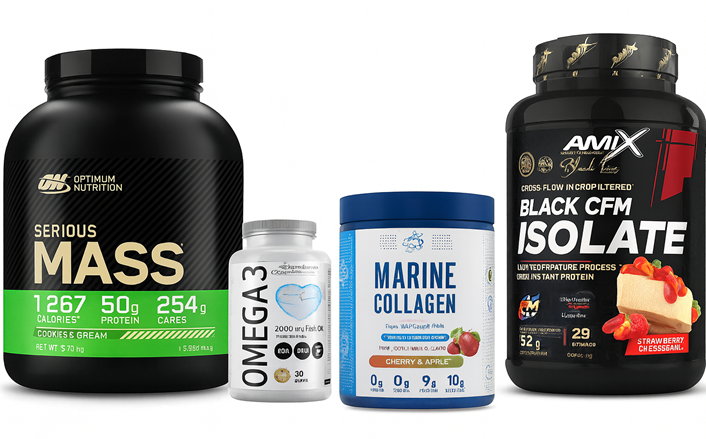
- Marine Collagen: Source from the skin of fish that helps delay some signs of aging, like wrinkles, joint issues, and weakness. Also aids weight loss, strengthens hair and nails.
- Lemon Balm: Natural nootropic, antioxidant, adaptogen that protects cells against stress, supports relaxation reduces anxiety, fatigue, and aggression, enhances cognitive function, including memory, alertness concentration and learning, and improves sleep quality without causing drowsiness during the day.
- Leucine: Considered the most important BCAA for stimulating muscle protein synthesis. It activates a pathway in the body called the mTOR pathway, which signals muscle cells to increase protein synthesis, supporting muscle growth and muscle reduction during exercise. Also helps regulate blood sugar levels and provides energy during exercise.
- Linden Honey: Natural source of carbohydrates and antioxidants that supports energy levels and immune function during exercise.
- Lion’s Mane mushroom (The Mountain Priest Mushroom): Nootropic antioxidant, antimicrobial agent that provides neuro-protective and cognitive benefits to help enhance mental clarity and focus during meditation. Also boosts cognitive performance, specifically learning and memory.
- Lipases: Digestive enzymes that breaks down fats (lipids) into fatty acids and glycerol, aiding in their absorption in the small intestine. Pancreatic lipase is one of the primary lipases involved in fat digestion.
- Lutein: Antioxidant that helps reduce oxidative stress induced by intense physical activity. Also helps protect the eye tissues from sunlight damage and helps prevent eye diseases, including cataracts. Should be taken by people who frequently use the solarium, spend a lot of time in the sun, follow a diet low in vegetables and fruit, as well as overuse strong coffee and tea and smoke tobacco.
- Lycopene:Hydrocarbon that reduces the effects of free radicals on the body, thus protecting it against disease.
- Lysine: EAA involved in protein synthesis and muscle tissue repair and the formation of collagen, a structural protein in connective tissues, as well as for the absorption of calcium and the production of carnitine, which is involved in fat metabolism.
- Maca: Adaptogenic herb that helps enhance energy, stamina, and hormonal balance, potentially improving athletic performance and recovery.
- Magnesium: Mineral involved in more than 600 bodily reactions, including: Energy creation: converting food into energy, Protein formation: creating new proteins from amino acids, Gene maintenance: helping create and repair DNA and RNA, Muscle movements: aiding in muscle contraction and relaxation, Electrolyte balance: reducing muscle cramps and fatigue during exercise and Nervous system regulation: regulating neurotransmitters, which send messages throughout your brain and nervous system.
- Magnesium citrate: Aids digestion, creates calmness and eases constipation and
- Magnesium carbonate: Relieves heartburn and indigestion, reduces fatigue, supports muscle and nerve function, maintains electrolyte balance, acts as a laxative.
- Magnesium oxide: Laxative that provides constipation and heartburn relief.
- Magnesium sulfate (Epsom salt): Creates calmness, reduces stress and relaxes muscles.
- Magnesium chloride: Reduces heartburn and constipation and works as muscle soreness topical.
- Magnesium L-threonate: Supports cognitive health, memory, focus, and mood.
- Magnesium malate: Increases energy and supports muscle pain and chronic
- Magnesium glycinate: Eases anxiety, insomnia, chronic stress, and inflammat
- Magnesium bisglycinate: Best magnesium for good memory and normal mental balance Regulates neurotransmitters (GABA) that promote relaxation and sleep. Alleviates muscle cramps, spasms, and tension.
- Manganese– Mineral that regulates the nervous system. Helps the body form connective tissue, bones, blood clotting factors, and sex hormones. It also plays a role in fat and carbohydrate metabolism, calcium absorption, and blood sugar regulation.
- Maitake Mushroom: Adaptogen anti-inflammatory fungus containing beta-glucans that support immune function, potentially reducing the risk of illness during intense training periods. Improves blood sugar levels and promotes a healthy gut flora.
- Maltase: Digestive enzyme important for the digestion of maltose-containing foods like grains. Breaks down maltose, a disaccharide composed of two glucose molecules, into two separate glucose molecules.
- Matcha: Superfood rich in antioxidants and caffeine that helps enhance energy levels, focus, and fat metabolism during exercise.
- MCT Oil (Medium-Chain Triglycerides): Provides a quick source of energy, supporting endurance and fat metabolism during exercise.
- Melatonin: Hormone that regulates sleep-wake cycles, helping improve sleep quality and recovery crucial for optimal performance and muscle repair.
- Methionine: Methionine: Essential sulfur-containing amino acid that supports various metabolic processes. Precursor for other sulfur-containing amino acids like cysteine and taurine. Also a precursor for glutathione, which helps increase fat metabolism. It also helps metabolize fat cells and facilitating the transport of fatty acids, contributing to a reduction in fat deposits.
- Milk Thistle (Silybum marianum): Adaptogen, antioxidant enzyme, that helps the body naturally eliminate all pollutants. Provides liver detoxification and regeneration of liver cells. Promotes good blood flow, and improves organ performance, which results in good skin, reduced cholesterol levels, and a sharp mind. Increases the size and strength of muscles and aids in weight loss.
- MSM (Methylsulfonylmethane): Source of sulfur that supports joint health and monbility, reducing inflammation and pain associated with intense exercise. Boosts immunity and supports healthy skin, hair and nails.
- Multiflower Honey (Polyfloral honey): Nutrient-rich natural sweetener sourced from various flower nectars. Packed with antioxidants, vitamins, and minerals, it supports immune health, digestion, and energy levels while promoting skin healing and heart health. Its prebiotic properties aid gut balance, and its natural enzymes help regulate blood sugar. With a diverse nutritional profile and complex flavor, it offers superior benefits compared to monofloral honey. For optimal results, choose raw, unfiltered multiflower honey to retain its full potency.
- NAC (N-Acetyl Cysteine): Precursor to glutathione that supports antioxidant defense, detoxification, and respiratory health, beneficial for recovery from intense exercise.
- NADH (Nicotinamide Adenine Dinucleotide): A naturally occurring coenzyme derived from vitamin B3 (niacin) and produced in the body during cellular metabolism. NADH plays a central role in mitochondrial energy production by transferring electrons within the electron transport chain, directly supporting ATP synthesis. It is essential for brain, nerve, and muscle function and helps maintain mental clarity, focus, and overall cognitive performance. NADH also supports cardiovascular health by promoting efficient cellular energy in heart tissue and aiding healthy circulation. Additionally, it helps combat fatigue, supports physical endurance and recovery, and contributes to antioxidant defense by reducing oxidative stress caused by physical exertion, aging, or metabolic strain.
- Niacin: Vitamin B3
- Nitric Acid: Precursor to nitric oxide that improves blood flow and oxygen delivery to muscles, enhancing endurance and performance during workouts.
- Nootropics (“brain boosters”): Natural substances that enhance cognitive performance and mental function by boosting memory, creativity, motivation and attention. Boost blood circulation and work to oxygenate the brain, reduce brain inflammation and protect the brain from toxins, stimulate the release of neurotransmitters: acetylcholine, dopamine, GABA and serotonin. Common Nootropics include Choline, Ginkgo Biloba, Lion’s Mane, L-theanine, Caffeine, Theacrine, Bacopa Monnieri, Creatine, Rhodiola Rosea, Ginseng.
- Omega-3: Essential polyunsaturated fats with powerful anti-inflammatory and cell-supporting properties. They promote brain function, enhancing memory, focus, and mood while reducing the risk of depression and cognitive decline. Omega-3s also support cardiovascular health by lowering triglycerides, improving cholesterol balance, and reducing blood pressure. In fitness, they aid muscle recovery, reduce soreness and joint stiffness, and may enhance endurance and fat metabolism. Additionally, omega-3s improve insulin sensitivity, support immune function, and maintain healthy skin and vision. Found in fatty fish like salmon, mackerel, and sardines, as well as plant sources such as flaxseeds, chia seeds, and walnuts, omega-3s can also be obtained through supplements like fish oil or algal oil.
- Omega-6: Polyunsaturated fatty acid that help stimulate skin and hair growth, maintain bone health and the reproductive system and regulate metabolism.
- Omega-9: Fatty acid that reduces bad cholesterol (LDL), while helping to increase good cholesterol (HDL). Helps prevent the risks of hypertension and cardiovascular diseases and increases energy, decreases anger and enhances mood.
- Ornithine (aspartic acid): Amino acid that helps reduce levels of a toxic chemical called ammonia in the blood. Aids during periods of high protein intake, intense exercise, or liver dysfunction, helping reduce ammonia buildup during exercise, delaying fatigue and improving endurance.
- L-ornithine (L-aspartate): Not to be confused with ornithine or aspartic acid. Chemical that increases the levels of ornithine and aspartic acid in the body, which help reduce levels of ammonia in the blood.
- Panax notoginseng: Species of ginseng that helps support healthy blood circulation and protect cardiovascular function.
- Pantothenic Acid: Vitamin B5
- Papain: Protease enzyme occurring in raw papaya fruit that breaks down proteins and reduces digestive discomfort, pain, inflammation, infection, swelling, diarrhea, and allergies, and helps improve nutrient absorption.
- Para-aminobenzoic Acid (PABA): Vitamin B 10
- Pepper Extract: Contains piperine, which may enhance nutrient absorption and metabolism.
- Phaseolamin Dry Extract: Derived from white kidney beans; may help inhibit the absorption of carbohydrates, potentially aiding in weight management.
- Phenylalanine: EAA and precursor to the amino acid, tyrosine that is involved in the production of neurotransmitters, such as dopamine, epinephrine, and norepinephrine, which involve mood regulation and may improve mental focus and alertness during exercise.
- Phytases: Digestive enzymes that break down phytic acid, helping release bound minerals, making them more absorbable.
- Pine Bark Extract:Herbal extract that contains nearly 40 biologically active ingredients that help prevent cardiovascular diseases, effectively increasing the body’s resistance and slowing down the aging process.
- Piperine: Alkaloid in black pepper(Piper nigrum) that enhances nutrient absorption and bioavailability, potentially improving the effectiveness of other supplements.
- Polysaccharides: Carbohydrate molecules that exert anti-fatigue activity related to improving energy metabolism. Eliminate excess metabolites, enhance mitochondrial biogenesis, enhance immune function, inhibit oxidative stress and inflammatory response and regulating neurotransmitters, thereby improving exercise endurance or reducing muscle damage.
- Potassium: Electrolyte crucial for muscle and nerve function that supports hydration, muscle contractions, and overall performance during exercise.
- PQQ (Pyrroloquinoline Quinone): A naturally occurring bioactive compound found in small amounts in foods such as fermented soy, green tea, and kiwi, and also produced by certain bacteria. PQQ functions as a powerful antioxidant and cellular signaling molecule that supports mitochondrial health and biogenesis—the creation of new mitochondria—helping improve cellular energy efficiency. It plays a key role in supporting cognitive function, memory, and neuroprotection, while also promoting cardiovascular and heart health by reducing oxidative stress and supporting healthy blood vessel function. Additionally, PQQ helps combat fatigue, supports endurance and recovery from physical stress, and contributes to healthy aging by protecting cells from oxidative and metabolic damage.
- Prebiotics: High-fiber carbs that produce healthy bacteria in the gut. Important in fighting off infection, keeping your gut in optimal function, and aiding with the digestion and absorption of food.
- Probiotics: Foods that contain live yeasts and good bacteria microorganisms that maintain or improve the “good” bacteria (normal microflora) in the body, help reduce the risk of gastrointestinal distress and improve nutrient absorption during exercise. Common Probiotics: Bacillus coagulans, Bifidobacterium, Escherichia coli Kombucha Lactobacillus, Lactococcus lactis, Saccharomyces boulardii, Streptococcus thermophilus.).
- Proline: Conditionally Essential Amino Acid essential for collagen synthesis, wound healing, and maintaining skin elasticity. Its demand increases during periods of tissue repair or wound healing.
- Proteases: Digestive enzymes that break down proteins into amino acids, facilitating their absorption in the small intestine. Examples include pepsin, trypsin, and chymotrypsin.
- Protein: Molecules composed of amino acids that are essential for muscle repair, growth, and recovery, strength, endurance, and overall athletic performance. The most popular protein supplements are Beef Protein, Casein Protein, Collagen Protein, Egg White Protein, Hemp Protein, Hydrolyzed, Protein Pea Protein, Rice Protein, Soy Protein, Vegan Protein, Whey Protein, Whey Isolate (ISO)
- Protein – Beef: Derived from beef sources, typically through a filtration process to isolate the protein. Contains all essential amino acids and is high in muscle-building amino acids like leucine. Provides a source of protein for individuals who prefer or require non-dairy protein options.
- Protein – Casein: Derived from milk and digested slowly, providing a sustained release of amino acids into the bloodstream. Often consumed before bed to support overnight muscle repair and growth. Rich in calcium and bioactive peptides that may have additional health benefits.
- Protein – Collagen: Derived from collagen, the main protein found in skin, bones, and connective tissues of animals. Contains specific amino acids like glycine, proline, and hydroxyproline, which support skin, joint, and bone health. Often used for its potential benefits for skin elasticity, joint health, and injury recovery.
- Protein – Egg White: Made from the whites of eggs that are high in protein and low in fat and carbohydrates. Contains all essential amino acids and is easily digestible. Suitable for individuals with dairy allergies or sensitivities.
- Protein – Hemp: Made from hemp seeds, a plant-based source of protein containing all nine essential amino acids and is high in fiber, omega-3 fatty acids, and minerals. Suitable for vegetarians, vegans, and individuals with dairy or soy allergies.
- Protein – Hydrolyzed: Protein partially broken down into smaller peptides and amino acids, making it easier to digest and absorb. Its rapid digestion may benefit individuals with digestive issues or who seek quick protein absorption.
- Protein – Pea: Plant-based protein source derived from yellow peas, containing all essential amino acids but is lower in methionine and cysteine. Favors people with dairy or soy allergies.
- Protein – Rice: Plant-based protein made from brown rice, rice that contains all essential amino acids and is low in lysine.
- Protein – Soy: Plant-based protein derived from soybeans that contains all essential amino acids and is rich in antioxidants and phytoestrogens. May also benefit heart health and hormone balance.
- Protein – Vegan: Plant-based protein made from various plant-based sources such as peas, rice, hemp, and quinoa that is often fortified with vitamins, minerals, and digestive enzymes for added nutritional benefits. Provides a complete amino acid profile and is suitable for vegetarians and vegans.
- Protein – Whey: Complete protein derived from milk containing all essential amino acids. Rapidly digested and absorbed, making it ideal for post-workout recovery and muscle growth. Available in concentrate, isolate, and hydrolysate forms, catering to different dietary preferences and goals.
- Protein – Whey Isolate (ISO): Rapidly digested and absorbed protein derived from milk containing all essential amino acids and high in branched-chain amino acids (BCAAs). Undergoes further processing to remove most of the fat and lactose, resulting in a purer protein product. Ideal for post-workout recovery.
- Protein – Whey Peptides: Powerful isolates of amino acids derived from much longer whole whey protein molecules. Help increase release of insulin like growth factor, improve overall endocrine hormone response, increase nitrogen utilization and retention, increase intracellular glutathione and anti–aging antioxidants and improve immune function
- Psyllium: Soluble fiber that supports digestive health and regularity and helps reduce gastrointestinal discomfort during exercise.
- Pyridoxine: Vitamin B6
- Maltase: Digestive enzyme important for the digestion of maltose-containing foods like grains. Breaks down maltose, a disaccharide composed of two glucose molecules, into two separate glucose molecules.
- Raspberry Ketones: Raspberry byproduct that increases the breakdown of fat cells and enhance metabolism, potentially aiding in weight loss.
- Red Clover: Natural botanical rich in phytoestrogens that may help balance estrogen levels, making it especially beneficial for women engaged in regular fitness training. By supporting hormonal harmony, it may reduce menstrual-related fatigue, enhance recovery, and help maintain consistent energy and endurance during workouts. It also contributes to joint and bone health, important for long-term physical performance.
- Rhodiola Rosea (“Golden Root”): Adaptogen that helps alleviate stress, anxiety and fatigue. Has antidepressant properties that help balance the brain’s neurotransmitters. Improves muscle strength and endurance. Protects against diabetes and diabetic nephropathy (kidney disease) and may inhibit the growth of lung, bladder, gastric, and colon cancer cells.
- Schisandra Chinensis: Adaptogenic herb believed to enhance endurance, reduce fatigue, and support overall physical performance.
- Solidago Extract (Goldenrod): Diuretic, which aids in reducing water retention and bloating.
- Triple Ginseng: A potent adaptogenic formula derived from a synergistic blend of Panax (Asian), American, and Siberian ginseng roots. This trio works together to naturally boost energy levels, enhance endurance, and sharpen mental focus—ideal for high-intensity workouts and demanding training routines. Its adaptogenic properties help regulate the body’s stress response, promoting stamina and balanced performance. Additionally, Triple Ginseng supports faster recovery by reducing muscle fatigue and aiding tissue repair, making it a valuable supplement for both strength and endurance athletes
- Quercetin: A naturally occurring flavonoid found in fruits, vegetables, and tea. Known for its strong antioxidant and anti-inflammatory effects, quercetin may support fitness by reducing exercise-induced inflammation, minimizing muscle soreness, and promoting faster recovery. Its ability to combat oxidative stress can help enhance endurance and protect muscle tissues during intense training.
- Reishi Mushroom (“The Mushroom of Immortality”): Adaptogen, anti-inflammtory, antioxidant, anti-viral, anti-aging fungus that helps modulate the immune system and enhance recovery from exercise-induced stress. Also has been shown to mitigate anxiety, lower mood and aid sleeping.
- Resveratrol: A naturally occurring polyphenol antioxidant found in grapes, berries, and red wine that helps neutralize harmful free radicals and protect cells from oxidative stress. Resveratrol supports cardiovascular and heart health by promoting healthy blood vessel function and circulation, while also helping reduce inflammation. It contributes to healthy aging by strengthening cellular defense mechanisms and supporting metabolic health, and may enhance endurance and exercise recovery by improving mitochondrial efficiency and reducing oxidative damage caused by physical and environmental stress.
- Riboflavin: (refer to Vitamin B2)
- Ribose (D-Ribose): A naturally occurring simple sugar produced in the body and found in small amounts in foods, D-ribose is a fundamental building block of ATP (adenosine triphosphate), the primary energy molecule in cells. It plays a critical role in rapid cellular energy replenishment, particularly in heart and muscle tissue with high energy demands. D-ribose supports cardiovascular and heart health by helping restore depleted ATP levels caused by physical exertion, metabolic stress, or reduced blood flow. It also enhances exercise performance, reduces muscle fatigue, and accelerates recovery by improving energy availability following intense physical activity. Additionally, D-ribose supports overall cellular function and resilience during periods of physical or physiological stress.
- Saccharomyces boulardii: A beneficial yeast-based probiotic derived from tropical fruit skins. It supports gut health by competing with harmful bacteria and producing compounds that inhibit their growth. For athletes and active individuals, this probiotic aids in maintaining digestive balance, especially during periods of physical stress or antibiotic use. A healthy gut promotes better nutrient absorption, immune resilience, and overall recovery—key components for sustained performance and fitness gains.
- Saw Palmetto: Species of palm that helps increase testosterone levels, improve prostate health, reduce inflammation, prevent hair loss, and enhance urinary tract function
- Selenium: Antioxidant mineral involved in hair, skin and nail health, thyroid function, DNA synthesis and fertility. Essential for production of the thyroid hormones that help regulate hair growth. As a key component of the enzyme glutathione peroxidase, Selenium can neutralize free radicals that can contribute to damage that weakens hair follicles. It also supports various proteins, like keratin, that help maintain healthy hair and nails and potentially reduces hair loss.
- Serine: Conditionally essential amino acid that plays a key role in muscle repair, cellular regeneration, and nervous system function. It’s vital for the synthesis of proteins, nucleotides, and phospholipids, which are all critical for muscle growth, recovery, and overall performance. Serine also supports the production of important neurotransmitters, helping improve mental focus and coordination during training. Its demand increases during intense physical activity, periods of muscle growth, high stress, or recovery from injury or illness, making it an important supplement for athletes and active individuals pushing their limits.
- Shilajit: Known as “nature’s viagara”, Shilajit is a natural resin rich in fulvic acid and minerals that boosts energy, endurance, and strength while naturally supporting healthy testosterone levels. Ideal for active individuals, it enhances muscle recovery, fat metabolism, and joint health. Shilajit also reduces inflammation and fatigue, sharpens focus, and supports immune function and nutrient absorption for overall peak performance.
- Shiitake Mushroom: Fungi that contains beta-glucans and other compounds that support immune function and reduce inflammation.
- Siberian Ginseng: Adaptogenic herb that may help increase stamina, reduce fatigue, and support overall resilience to stress, which can be beneficial for athletes.
- Silicium (Silicon): A naturally occurring trace mineral found in plants, grains, and water. It plays a vital role in the formation and maintenance of connective tissues, including cartilage, tendons, and ligaments. For athletes and fitness enthusiasts, silicon supports joint flexibility, strengthens bones, and enhances collagen synthesis—helping to reduce the risk of injury and accelerate recovery from exercise-induced wear and tear.
- Silymarin: A powerful antioxidant extract derived from the milk thistle plant (Silybum marianum), is traditionally used to support liver health and detoxification. For fitness-focused individuals, a healthy liver plays a key role in efficient metabolism, nutrient absorption, and hormonal balance. Silymarin may aid in protecting liver cells from exercise-related oxidative stress, supporting recovery and overall performance.
- Sodium butyrate: A powerful short-chain fatty acid derived from the fermentation of dietary fibers in the gut and is known for its prebiotic effects, nourishing beneficial gut bacteria. It strengthens the intestinal barrier, supports digestion, and reduces inflammation, which enhances nutrient absorption and post-exercise recovery. As a direct energy source for colon cells, it contributes to improved metabolic efficiency during training. Sodium butyrate also helps mitigate exercise-induced inflammation, supporting faster recovery between sessions. By promoting fat oxidation and metabolic flexibility, it may aid in weight management and lean muscle retention. Additionally, it reduces oxidative stress to enhance muscle recovery and endurance, while modulating immune responses to maintain performance and prevent immune dips related to intense training.
- Spirulina: Nutrient-rich algae with antioxidant and anti-inflammatory properties that supports immune function and helps improve endurance and recovery.
- Streptococcus thermophilus: Probiotic found in fermented dairy products that aids in the digestion of lactose and produces lactic acid, contributing to gut health.
- Sucrase: Digestive enzyme produced in the small intestine that breaks down sucrose (table sugar) into glucose and fructose.
- Sunflower Honey: Natural source of carbohydrates and antioxidants that helps support energy levels and immune function during exercise
- Taurine: Amino acid with antioxidant properties that supports heart health, hydration, and muscle function during exercise.
- Tentex royale: An Ayurvedic herbal formulation made from natural plant extracts traditionally used to support male sexual health. It works by relaxing vascular smooth muscles and improving blood circulation to the penile area, enhancing erection quality and duration. For active individuals, Tentex Royale may also help improve overall vitality, stamina, and hormonal function, supporting both physical performance and recovery.
- Theanine: Powerful nootropic and non-dietary amino acid known for promoting a calm yet focused mental state—ideal for both intense training and recovery. It boosts GABA levels, helping reduce stress and anxiety, while supporting deeper, more restorative sleep. Theanine also increases dopamine and alpha brain waves, enhancing mental clarity and attention without causing drowsiness—making it perfect for improving cognitive performance during workouts. Additionally, Theanine supports liver detoxification by raising levels of glutathione, the body’s master antioxidant. Whether you’re training hard, under pressure, or needing better focus and recovery, Theanine is a smart supplement for both body and mind.
- Threonine: Amino acid necessary for the formation of proteins and the synthesis of other important molecules, including antibodies and mucin, which lubricates and protects the digestive tract.
- Tolerase L: Highly efficacious micro-granulated digestive enzyme formula containing acid lactase enzyme that converts lactose into glucose and galactose, helping reduce discomfort associated with lactose intolerance, such as bloating, gas and abdominal cramps. Lactase is needed to digest lactose, which is the main carbohydrate source of dairy products. (Ref: OstroVit Stabilolactic).
- Tribulus: Herb that helps support testosterone levels and athletic performance, particularly in male athletes.
- Triple Ginseng: A synergistic blend of three ginseng varieties—typically Panax (Asian), American, and Siberian ginseng—each known for their adaptogenic properties. This powerful combination helps enhance physical energy, stamina, and mental focus, making it ideal for athletes and active individuals. It also supports faster recovery from muscle fatigue and exercise-induced damage, improving endurance and overall workout performance.
- Tryptophan: EAA and precursor to serotonin and neurotransmitter involved in mood regulation and relaxation, potentially aiding in stress management and sleep quality, crucial for recovery and muscle repair. Also important for the synthesis of niacin, a B vitamin.
- Turmeric (Curcuma): Product of the turmeric plant containing curcumin, a powerful anti-inflammatory compound that helps reduce exercise-induced muscle damage and inflammation, regulates blood sugar, reduces joint pain, improves cognitive health, treats . cognitive disorders such as Alzheimer’s, reduces the symptoms of arthritis, protects against depression and helps reduce the risk of age-related diseases.
- Tyrosine: Conditionally essential amino acid and precursor of neurotransmitters such as dopamine, adrenaline and noradrenaline involved in concentration, alertness and mood regulation. Helps improve cognitive function and mental clarity during exercise, enhancing performance and motivation. Becomes conditionally essential in times of stress or when neurotransmitter production increases.
- Ubiquinone: Source of coenzyme Q10, antioxidant that protects cells from the effects of aging.
- Ursolic Acid: Found in apple peels and other sources. Has anti-inflammatory and metabolic benefits, potentially supporting muscle growth and fat loss.
- Valine: Essential amino acid essential for muscle metabolism and tissue repair. Plays a role in maintaining nitrogen balance in the body. It can be converted into glucose in the liver to provide energy during prolonged exercise or times of low carbohydrate intake.
- Vitamin A (Retinol Derivative): A fat-soluble vitamin essential for immune function, skin regeneration, and vision health. It plays a key role in maintaining healthy, hydrated skin—particularly beneficial for dry or acne-prone skin—by improving elasticity and softness. For athletes and active individuals, Vitamin A helps reduce signs of aging such as wrinkles and stretch marks, while also supporting recovery by lowering inflammation and the risk of infections commonly triggered by intense training.
- Vitamins ADEK: Group of fat-soluble vitamins essential for various physiological functions, including immune support, bone health, and antioxidant defense, important for overall well-being and performance during exercise.
- Vitamin B2 (Riboflavin): Essential for energy production and metabolism, supporting overall energy levels and athletic performance. Helps to maintain the integrity of the skin, promotes cell regeneration, and protects against damage caused by free radicals.
- Vitamin B3 (Niacin): Plays a role in energy metabolism and can help convert food into energy, supporting exercise performance. Also helps improve skin elasticity, reduce fine lines and wrinkles and enhance the circulation of blood to the scalp, promoting hair growth and preventing hair loss.
- Vitamin B5 (Pantothenic Acid): Plays a role in energy metabolism and may help reduce fatigue during exercise.
- Vitamin B6 (Pyridoxine): Plays a vital role in carbohydrate and protein metabolism, making it essential for athletes and active individuals seeking to optimize energy production and muscle function during training. It supports the conversion of food into usable energy, helping delay fatigue during workouts. Additionally, it contributes to muscle recovery, nervous system health, and hormonal balance. Beyond fitness, B6 aids in healthy hair growth by supporting melanin production (which gives hair its color) and keratin synthesis, the key structural protein in hair strands.
- Vitamin B7: (refer to Biotin)
- Vitamin B9 (Folic Acid): Nutrient in Vitamin B complex important for energy metabolism and red blood cell production that supports overall energy levels and oxygen delivery to muscles.
- Vitamin B10 (Para-aminobenzoic acid “PABA”): Organic compound sometimes used in combination with other B vitamins for its potential to support skin health and energy metabolism. Has sunscreen-like properties to protect the skin against harmful UV rays and prevent sunburn and skin damage.
- Vitamin B11(Folate): Helps produce new (blood) cells, nerve function and protection of DNA against damage. Also supports the production of red blood cells, which carry oxygen and nutrients to the hair follicles, promoting hair growth.
- Vitamin B12 (Cobalamin): Supports energy production and oxygen delivery to muscles, reducing fatigue, speeding up recovery and enhancing endurance during exercise. Vitamin B12 deficiency can lead to fatigue, weakness, and hair loss.
- Vitamin B Complex: A group of eight water-soluble vitamins—B1 through B12—that are essential for energy metabolism, red blood cell formation, nervous system support, and overall cellular function. Sourced naturally from foods like whole grains, leafy greens, and animal products, or synthesized for supplements, these vitamins help convert carbs, fats, and proteins into fuel, making them crucial for endurance, muscle recovery, and reducing fatigue. For athletes, they support oxygen delivery, stress regulation, and muscle repair—key elements for consistent training and peak performance.
- Vitamin C (Ascorbic acid): Powerful antioxidant agent that helps fight bacterial infections, supporting immune function, detoxifies, and aids in the formation of collagen in fibrous tissue, teeth, bones, connective tissue, skin, and capillaries. Also enhances recovery from intense exercise-induced inflammation and improves iron absorption, improving muscle condition. Effective absorption of oxygen extends the working time of the muscles and delays the stage of anaerobic respiration in the muscles that causes the formation of soreness.
- Vitamin D3: Derived from lanolin (sheep’s wool) or synthesized in the skin through sun exposure, is a fat-soluble vitamin crucial for overall fitness and health. It supports bone strength and density by enhancing calcium absorption and stimulating osteoblasts—cells responsible for building bone tissue—helping to prevent osteoporosis. Vitamin D3 also plays a critical role in muscle development, aiding in muscle contraction and overall function, which can directly impact strength, endurance, and recovery. For men, Vitamin D3 is especially important as it helps regulate testosterone levels, which influences muscle mass, energy, and libido. Additionally, it supports immune defense, mood balance, and insulin regulation, all of which contribute to consistent training and physical performance.
- Vitamin E: Antioxidant that protects cells from oxidative damage, reduces inflammation, and supports immune function, crucial for recovery and overall well-being during intense training. Also inhibits the oxidation of LDL cholesterol, preventing the formation of atherosclerotic plaque and helps prevent the formation of clots in blood vessels.
- Vitamin K: A fat-soluble vitamin found in leafy greens (K1) and fermented foods like natto (K2), plays a key role in blood clotting and cardiovascular health. Vitamin K2 specifically supports calcium regulation, directing it to bones and teeth rather than arteries, which helps improve bone density and reduce the risk of fractures—especially important for athletes and active individuals. Together, K1 and K2 contribute to stronger bones and a healthier heart, supporting performance and recovery during physical activity.
- Vitargo: High molecular weight carbohydrate and energy source before or during training to improve performance and replenish glycogen reserves.
- Waxy Maize: Similar to Vitargo, a carbohydrate sourced from corn used to replenish energy and recover glycogen after intense workouts.
- White Bean Extract (Phaseolus vulgaris extract): Contains compound called phaseolamin, derived from the seeds of the white kidney bean plant, which acts as an alpha-amylase inhibitor. Alpha-amylase is an enzyme responsible for breaking down carbohydrates into simpler sugars that helps inhibit the digestion of carbohydrates, supporting weight management.
- White Mulberry: Rich in vitamins and antioxidants, white mulberry may support overall health and immune function, indirectly benefiting fitness performance.
- White Willow Bark Extract: Extract from the bark of white willow that contains salicin, which is a chemical similar to aspirin (acetylsalicylic acid) that has pain-relieving and anti-inflammatory effects potentially aiding in recovery after exercise.
- Xylitol: Natural sugar alcohol with a lower glycemic index, providing a low-calorie sweetener option, reducing the risk of blood sugar fluctuations during exercise.
- Yerba Mate Extract (Mate Extract): Plant ingredient that contains caffeine and antioxidants, which can increase energy levels, improve focus, and support weight management.
- Young Barley Grass: Source rich in vitamins, minerals, antioxidants, and amino acids. Helps the body repair muscles, blood vessels, and bone marrow. As a rich source of zinc, it improves man’s sexual health and has been proven to boost testosterone levels in men.
- Zinc: Essential mineral for immune function, protein synthesis, and antioxidant defense that supports recovery and overall health during intense training periods. Also controls muscle contractility, participates in the process of insulin formation, accelerates wound healing, improves mental performance, and is a cofactor of numerous enzymes.
ZMA (Zinc Magnesium Aspartate): Combination of zinc, magnesium, and vitamin B6 that supports muscle recovery, hormone balance, and quality sleep, potentially enhancing overall athletic performance and recovery.
Visit Us Today
📍 Marina 300, Barcelona 08025
📞 +34 933 48 07 40
💬 WhatsApp us for stock & availability

Frequently Asked Questions
Below you’ll find answers to some of the most common questions we receive about the supplements we carry. This section covers general information and expert insights on key categories such as proteins and amino acids, creatine, pre-workouts, adaptogens, nootropics, carbohydrates, digestive enzymes, natural anabolic supplements, diet and weight loss supplements, and endurance-focused formulas.
Whether you’re just starting out or looking to fine-tune your nutrition routine, these FAQs are designed to help you make informed choices tailored to your fitness goals:
At The Nutrition Store, we believe the right protein depends on your goals, dietary needs, and how well your body digests certain ingredients.
Whey protein is widely used for muscle recovery and performance, especially post-workout. For those seeking something lighter and faster-absorbing, isolated whey (Iso Whey) is ideal—it contains minimal lactose and fats, making it easier on the stomach.
Beef protein is a great dairy-free alternative, supporting muscle strength and collagen production. Egg protein is another non-dairy option, known for being easy to digest and providing a long-lasting feeling of fullness.
For plant-based diets, vegan proteins like pea, rice, or hemp are clean, gentle on the gut, and support overall wellness. When blended correctly, they offer a complete amino acid profile for muscle support.
However, what often gets overlooked is how well your body actually digests the protein you consume. That’s why we strongly recommend proteins that contain digestive enzymes or probiotics. These additions help improve absorption, reduce bloating, and make it easier for people with lactose intolerance, sensitivity to fillers, or weak digestion to benefit fully from their supplement.
Stop by Marina 300, Barcelona, and we’ll help you choose a protein that not only meets your fitness needs but supports your digestive health as well.
At The Nutrition Store, we often recommend both amino acids and protein powder, depending on your fitness goals and needs.
Protein powders—like whey, beef, egg, or plant-based blends—contain all nine essential amino acids (EAAs) that the body can’t produce on its own. They help increase your total protein intake, support muscle recovery, and provide calories and nutrients needed for energy during and after intense workouts.
Amino acid supplements, especially in free-form EAA or BCAA formulas, are absorbed faster and can be precisely targeted to support specific metabolic functions like muscle repair, endurance, or hormonal balance. They’re particularly useful before or during workouts when rapid absorption is needed.
Combining both can offer the best of both worlds. Whey protein delivers long-lasting nutrition, while amino acids act fast. When used together, they enhance performance, speed up recovery, and extend the benefits of your training.
BCAAs are only three of the nine Essential Amino Acids (EAAs). At The Nutrition Store, we recommend taking all nine of them because they are fundamental to muscle recovery, performance, and total-body health — yet your body cannot produce them on its own. EAAs must be obtained daily through diet or supplementation to keep your body functioning at its best.
Whether you’re an athlete, lead an active lifestyle, follow a plant-based diet, or simply want to stay energized and resilient as you age, essential amino acids (EAAs) offer science-backed support by promoting muscle growth and repair, enhancing workout recovery and endurance, supporting cognitive clarity and neurotransmitter balance, strengthening immune and hormonal health, improving sleep, metabolism, and digestion, and helping reduce muscle loss associated with aging. Even if you’re eating protein-rich foods, the body doesn’t always absorb all amino acids effectively. EAAs offer a more efficient way to ensure you’re getting the full range of nutrients needed to fuel your fitness and wellness goals.
There are 9 essential amino acids and here are their key benefits:
Leucine – Stimulates muscle protein synthesis and supports repair and growth.
Isoleucine – Boosts energy, muscle metabolism, and immune strength.
Valine – Helps with muscle regeneration, endurance, and mental clarity.
Phenylalanine – A precursor to mood and alertness-boosting neurotransmitters.
Threonine – Supports skin, joints, and healthy connective tissue through collagen formation.
Tryptophan – Converts to serotonin and melatonin to aid sleep and mood.
Lysine – Vital for immune function and nutrient absorption like calcium.
Methionine – Helps detoxify the liver and absorb minerals like zinc and selenium.
Histidine – Produces histamine, which plays a role in immunity, digestion, and restful sleep.
Combined, EAAs are more than just sports supplements — they’re essential for anyone looking to support muscle, mind, and metabolic health. At The Nutrition Store, we carefully select high-quality EAA supplements to help you recover better, train harder, and live stronger.
The key times to take EAA amino acids are:
Before, during, and after training
These are the main windows, known as the “peri-workout nutrition window,” when your muscles need more EAAs. Taking EAAs before or during your workout can help prevent muscle breakdown, especially during long or intense endurance sessions. After your workout, EAAs support muscle repair and enhance protein synthesis, helping you return to an anabolic state.
If you already take a fast-digesting protein like whey after your workout, an additional EAA amino acid supplement may not be necessary.
During Long or Endurance Workouts
Long or cardio training sessions can push your body into a catabolic state, breaking down muscle for fuel. An EAA supplement taken during these long workouts can help maintain muscle mass by providing a steady source of amino acids.
Between Meals (Especially When Building Muscle Mass)
When trying to build muscle, frequent spikes in muscle protein synthesis are ideal. Drinking EAAs between meals can help maintain muscle growth throughout the day.
Research suggests a range of 6-12 grams of EAA amino acid supplements for bodybuilding for muscle protein synthesis, depending on individual needs. Leucine, one of the most important essential amino acids, plays a pivotal role in this process, and 2.5 grams of leucine is often recommended as a starting point for greatest effectiveness.
The two actually complement each other. Digestive enzymes improve digestion while probiotics are live organisms that make up the good bacteria in your digestive environment healthy. Unlike enzymes, probiotics do not have the ability to break down or digest food components.
Nootropics and adaptogens are both natural supplements, but they serve different purposes for the body and mind.
Nootropics are substances that primarily enhance brain function. They are designed to support memory, focus, mental clarity, creativity, and overall cognitive performance. Nootropics work by improving neurotransmitter activity, increasing blood flow to the brain, or supporting energy production in brain cells. Common nootropics include Ginkgo Biloba, L-Theanine, and Citicoline.
Adaptogens, on the other hand, help the body adapt to stress — both mental and physical. They work by supporting the endocrine and nervous systems, helping to regulate cortisol (the stress hormone) and promote balance, resilience, and recovery. Popular adaptogens include Ashwagandha, Rhodiola Rosea, and Ginseng.
At The Nutrition Store, we do not sell anabolic steroids — only natural anabolic supplements derived from safe, plant-based sources.
Anabolic steroids are synthetic versions of testosterone, a naturally occurring hormone in both men and women. These substances are often used with resistance training to artificially boost muscle protein synthesis, leading to rapid increases in muscle mass and strength. However, they are regulated, often illegal without prescription, and come with serious side effects when misused.
In contrast, our natural anabolic supplements contain compounds from herbs, plants, and botanicals that naturally support your body’s own testosterone production. These natural ingredients help promote lean muscle growth, improve strength and recovery and support hormonal balance — without synthetic hormones
We focus on safe, legal, and effective options to help you achieve your fitness goals naturally and sustainably.
Although creatine has been widely studied as a relatively safe and effective supplement for improving muscle mass, performance and recovery, people have general safety concerns. Below are True or False questions with answers to these concerns and recommendations from The Nutrition Store based on evidence-based scientific evaluation of literature:
TRUE OR FALSE: Everyone should take the same amount of creatine per day.
FALSE: Creatine supplementation is recommended dosages of 0.1 gram per day per kg of body mass.
TRUE OR FALSE: Creatine leads to water retention.
FALSE: FALSE: Creatine supplementation does not always lead to water retention.
TRUE OR FALSE: Creatine is an anabolic steroid.
FALSE: Creatine is not an anabolic steroid.
TRUE OR FALSE: Creatine causes kidney damage/renal dysfunction.
FALSE: Creatine supplementation, when ingested at recommended dosages, does not result in kidney damage and/or renal dysfunction in healthy individuals.
TRUE OR FALSE: Creatine doesn’t cause hair loss / baldness.
TRUE: The majority of available evidence does not support a link between creatine supplementation and hair loss / baldness.
TRUE OR FALSE: Creatine leads to dehydration and muscle cramping.
FALSE: Creatine supplementation does not cause dehydration or muscle cramping.
TRUE OR FALSE: Creatine isn’t harmful for children and adolescents.
TRUE: Creatine supplementation appears to be generally safe and potentially beneficial for children and adolescents.
TRUE OR FALSE: A creatine ‘loading-phase’ isn’t required.
TRUE: Smaller, daily dosages of creatine supplementation (3-5 g or 0.1 g/kg of body mass) are effective. Therefore, a creatine ‘loading’ phase is not required.
TRUE OR FALSE: Creatine is beneficial for older adults.
TRUE: Creatine supplementation and resistance training produces the vast majority of musculoskeletal and performance benefits in older adults. Creatine supplementation alone can provide some muscle and performance benefits as well as cognitive benefits for older adults.
TRUE OR FALSE: Other forms of creatine are superior to monohydrate.
FALSE: Other forms of creatine are not superior to creatine monohydrate.
TRUE OR FALSE: Creatine is only useful for resistance / power type activities.
FALSE: Although creatine supplementation has been theorized to primarily benefit athletes involved in high-intensity intermittent resistance/power type activities, evidence suggests that creatine supplementation with carbohydrate or carbohydrate and protein promotes greater muscle glycogen storage than carbohydrate supplementation alone. Since glycogen replenishment is important for promoting recovery and preventing overtraining during intensified training periods, creatine supplementation may help athletes who deplete large amounts of glycogen during training and/or performance maintain optimal glycogen levels.
Second, there is evidence that creatine supplementation may reduce muscle damage and/or enhance recovery from intense exercise. Moreover, there is evidence that individuals supplementing their diet with creatine experienced less muscle damage, inflammation, and muscle soreness.
Third, there is evidence that athletes who supplement with creatine during training experience fewer musculoskeletal injuries, accelerated recovery time from injury and less muscle atrophy after immobilization.
Fourth, creatine supplementation (with or without glycerol) has been reported to help athletes hyper-hydrate and thereby enhance tolerance to exercise in the heat.
Therefore, creatine supplementation may reduce the risk of heat related-illness when athletes train and/or compete in hot and humid environments.
Finally, there is evidence from animal models that creatine supplementation is neuroprotective and can reduce the severity of spinal cord injury, cerebral ischemia, and concussion/traumatic brain injury. This evidence was so compelling that the International Society of Sports Nutrition recommended that athletes engaged in sports that have a potential for concussion and/or spinal cord injury take creatine for its neuroprotective effects.
TRUE OR FALSE: Taking creatine with a glycogen loader is highly recommended.
TRUE. Combining creatine with a glycogen (carbohydrate) loader is a highly effective nutritional strategy for boosting energy, strength, and endurance during high-intensity or prolonged training. This approach is commonly used by athletes and bodybuilders preparing for competitions or demanding training phases.
Creatine works by increasing the muscles’ stores of creatine phosphate, which serves as a rapid energy source for explosive movements such as sprinting, lifting, and jumping. It enhances ATP production, supporting greater power output, strength, and short bursts of high-performance activity. A typical creatine loading phase involves consuming 20–25 grams per day for 5–7 days to quickly saturate muscle stores, followed by a maintenance dose of 3–5 grams per day.
Glycogen loading, on the other hand, focuses on maximizing muscle glycogen—the body’s stored form of glucose. Higher glycogen levels provide sustained energy, delay fatigue, and significantly improve endurance performance. This process usually involves increasing carbohydrate intake to approximately 8–12 grams per kilogram of body weight over 2–3 days, often paired with reduced training intensity to optimize glycogen storage.
When combined, creatine and glycogen loading work synergistically. Consuming creatine alongside carbohydrates increases insulin levels, which enhances creatine uptake into muscle cells. This leads to improved absorption, greater performance gains, and faster recovery. The combination is particularly effective before competitions or training blocks that demand both explosive power and long-lasting endurance.
The Nutrition Store Tip: For best results, follow a short creatine loading phase while simultaneously increasing high-glycemic carbohydrate intake. As always, consult your coach or nutritionist to tailor this strategy to your sport, training demands, and individual body type.
At The Nutrition Store, we recommend antioxidants to help reduce oxidative stress caused by intense workouts, pollution, or daily life. Supplements like vitamin C, resveratrol, NAC, and green tea extract help protect cells, support recovery, and strengthen the immune system. They’re especially helpful for athletes and those seeking to age well, recover faster, and reduce inflammation naturally.
If you’re looking to support fat loss and appetite control, we carry thermogenic formulas, appetite suppressants, fat metabolizers, and L-carnitine and diuretic products. These supplements work best when paired with exercise and a clean diet. We also offer personalized diet plans to help you lose weight in a healthy and sustainable way.
Vitamins and minerals are the foundation of good health, especially for active individuals. We carry a wide variety of high-quality multivitamin supplements, plus key micronutrients like magnesium for recovery, zinc for immunity, B-complex for energy, and vitamin D for bone and hormone support. We also offer mineral blends for electrolyte balance and hydration.
If you’re looking to boost your energy and focus before a workout, we carry a variety of pre-workout options, including pre-workouts with vasodilators like citrulline and arginine to increase blood flow and pump. If you want an extra kick, we offer stimulant-based pre-workouts with caffeine or guarana. Or if you want to increase your mental focus and clarity, we carry blends that include nootropics like tyrosine, alpha-GPC, or lion’s mane. Whether you’re training hard or need a cognitive edge, we can guide you to the perfect pre-workout supplement.
At The Nutrition Store, we recommend both electrolyte and isotonic supplements to runners, swimmers and other endurance athletes—but they serve slightly different functions that work together to support performance and recovery.
Electrolytes are essential minerals—like sodium, potassium, magnesium, and calcium—that your body loses through sweat during intense exercise. These minerals are vital for hydration, muscle function, and nerve transmission. Replenishing them helps prevent cramps, fatigue, and dehydration, especially during long workouts or events in hot conditions.
Isotonic supplements go a step further. These are specially formulated drinks or powders that contain both electrolytes and carbohydrates, designed to have the same osmotic pressure as body fluids. This allows for rapid absorption into the bloodstream, meaning your body can quickly rehydrate and refuel with energy at the same time.
In simple terms, electrolyte supplements replace lost minerals and keep your hydration in balance, while isotonic supplements replace minerals and provide quick carbs for sustained energy and hydration. If you’re an endurance athlete training for long distances or races, using both can help you maintain energy, avoid cramps, and recover faster.
We offer a full range of nutrition products, including protein powders, amino acids, creatine, weight loss supplements, muscle gainers, muscle recovery supplements, and natural hormone boosters. You’ll also find health foods, herbal products, protein bars, endurance sports gels, and sports nutrition products to support performance, recovery, and overall wellness.
Yes, we carry a complete selection of protein powders such as whey, casein, vegan blends, and hydrolyzed formulas—ideal for athletes looking to support muscle growth, strength, and enhanced recovery. Many customers pair these with muscle recovery supplements to optimize results.
Absolutely—we stock a wide range of pre workout supplements designed to boost energy, focus, and endurance. These include formulas with caffeine, beta-alanine, nitric oxide boosters, electrolytes, and more, making them essential gym supplements for maximizing training performance.
Yes, we offer a full selection of vitamin products, including organic vitamins, natural vitamins, immune support vitamins, and specialized blends like adaptogen vitamins to improve mood and sleep and nootropic supplements to improve focus. We also carry herbal extracts, probiotics, minerals, and other herbal products to support natural wellness and balanced nutrition.
Definitely—our store carries a large variety of fitness products, gym supplements, sports nutrition products, and health foods that Barcelona customers can shop directly in-store. We also provide training accessories, sportswear, joint support supplements, endurance sports gels, and high-performance protein bars for athletes of all levels.
 English
  Español
  Català
  Deutsch
  Français
  Italiano